How AI is Rewriting the Digital Marketing Playbook
I’ve spent the last decade staring at spreadsheets and fighting for organic reach. Here is why I’m finally letting the robots do the heavy lifting—and why you should too.
Insights
Apr 27, 2025
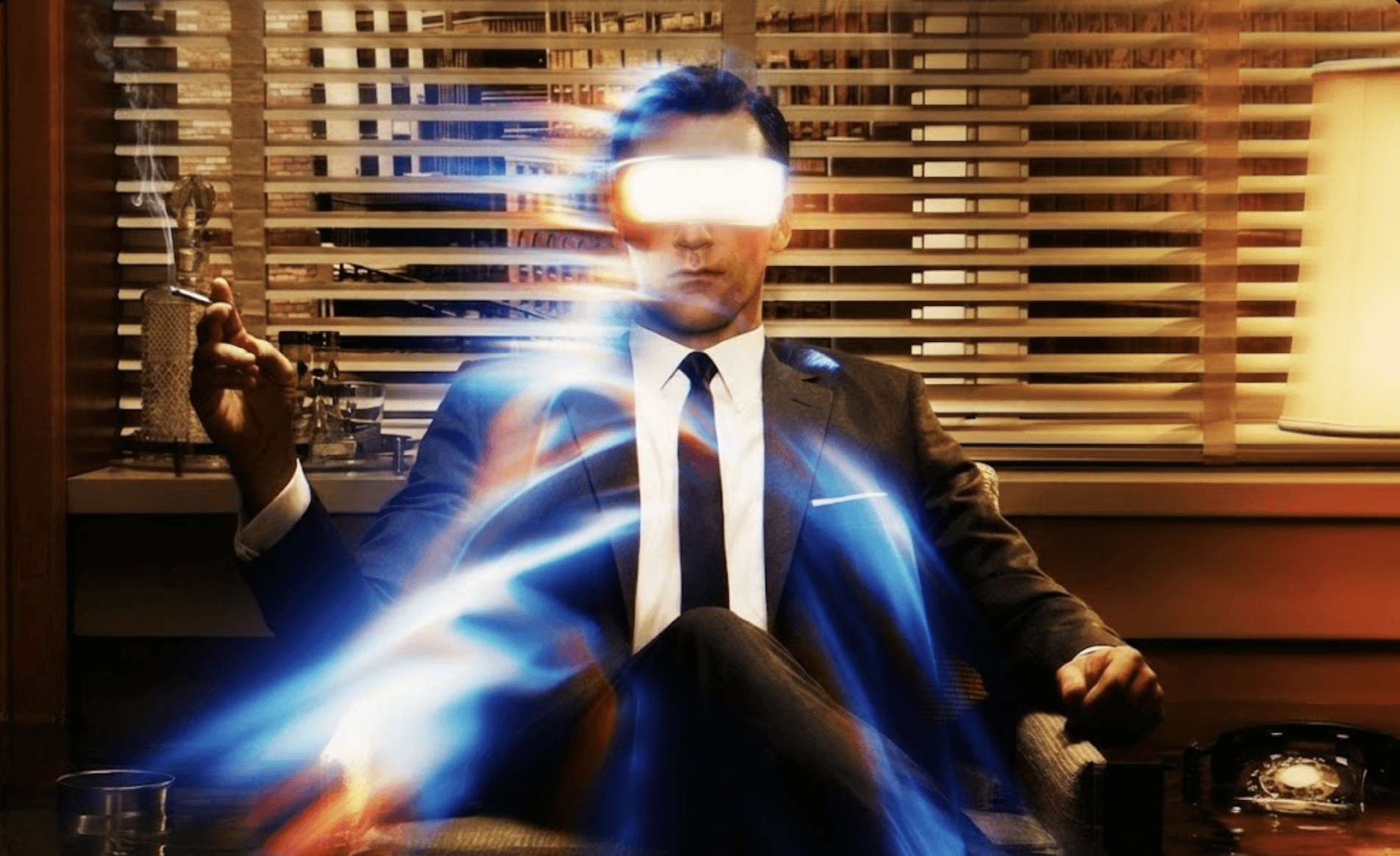
Remember the "Mad Men" era of advertising? A catchy slogan, a three-martini lunch, and a gut feeling were the primary tools of the trade. Even in the early days of digital marketing, we relied heavily on broad demographics and "spray-and-pray" tactics, hoping our message landed in front of someone—anyone—interested.
Those days are officially over.
We are currently living through a seismic shift in the digital landscape. Artificial Intelligence isn't just a buzzword to throw into a pitch deck; it is the underlying infrastructure of modern marketing. It has moved from being a futuristic concept to a practical, everyday utility that is fundamentally changing how brands connect with audiences.
If you feel like the ground beneath your feet is moving faster than ever, you aren't imagining it. Here is a detailed look at how AI is fundamentally revolutionizing the digital marketing landscape, and why it’s the most exciting thing to happen to the industry since the internet itself.
Let’s be real for a second. If you asked me five years ago what my biggest headache was, I would have said, “Building 50 variations of the same landing page manually” or “Trying to explain to a client why their attribution model is broken.”
I’ve been in the digital trenches long enough to remember when “personalization” just meant using a FNAME merge tag in a Mailchimp blast and praying it didn’t break. We spent hours in Excel pivoting data, weeks A/B testing button colors, and way too much time guessing what the algorithm wanted.
But the game has changed. And I don’t mean in the buzzwordy, “pivot to video” kind of way. I mean the actual infrastructure of how we do our jobs has shifted.
AI isn't coming for our jobs; it's coming for the parts of our jobs we hate. It’s turning us from task-rabbits into actual strategists. If you’re still viewing AI as just a shortcut for writing blog intros, you are missing the bigger picture.
Here is how the landscape is actually shifting, from someone who is actively rewriting their playbook.
Do you remember building user personas? “Marketing Mary, aged 34, likes coffee and yoga.” It was cute, but it was basically guessing.
AI has killed the demographic segment. We are now in the era of n=1.
I’m seeing tools now that don’t just dump users into buckets; they predict intent in real-time. If a user hovers over a pricing page for 30 seconds at 8 PM on a Tuesday, the AI serves a specific chat prompt or dynamic offer right then. We aren't blasting the same message to everyone who "likes yoga" anymore. We are curating an experience for that specific person based on what they did five seconds ago.
The shift: We stop asking “Who is our target audience?” and start asking “What does this user need right now?”
The biggest bottleneck in paid social used to be creative. You’d find a winning ad, scale the budget, and within two weeks, ad fatigue would set in and your CPA (Cost Per Acquisition) would skyrocket. Then you’d have to beg the design team for new assets.
Generative AI has completely solved the volume problem.
Now, we can use tools to generate endless variations of backgrounds, hooks, and copy angles. We can feed the machine our brand guidelines and let it spit out 50 iterations for us to test.
Does it replace my creative director? Absolutely not. The AI has no taste. It doesn't understand cultural nuance. But it does give my creative team a starting point so they aren't staring at a blank canvas. They become the editors and curators, not just the assembly line.

Attribution has been the bane of my existence for my entire career. We all know the customer journey is messy—they see an ad on Instagram, search on Google three days later, and buy on desktop. Traditional analytics usually gives all the credit to that last search, making our top-of-funnel efforts look useless.
AI-driven predictive analytics is finally fixing this.
Modern platforms are getting terrifyingly good at modeling conversion probability. They can look at the "invisible" touchpoints and tell us, "Hey, that YouTube view two weeks ago actually did 40% of the work here." This allows us to double down on channels that drive growth, not just channels that claim the credit.
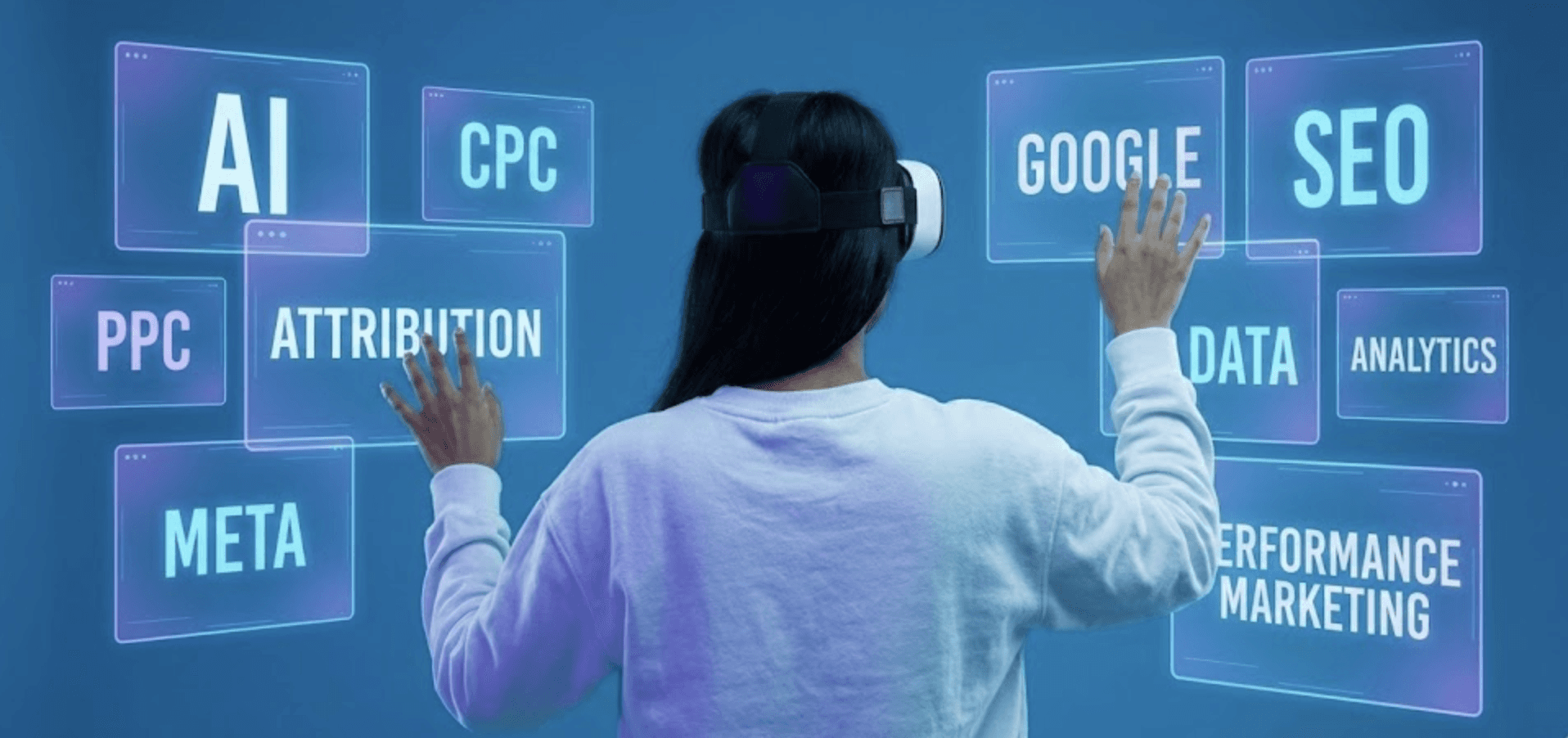

With Advantage+ and Performance Max, the platforms are basically saying, “Give us the creative and the budget, and trust the algorithm.”
For a control freak like me, this was terrifying at first. But the numbers don't lie. The AI can analyze millions of signals—device battery level, scroll speed, historical conversion time—faster than I can click "refresh" in Ads Manager. My job isn't to twist the dials anymore; my job is to feed the machine better inputs (better creative, better first-party data) so it can learn faster.
SEO is Now "Answer Engine Optimization"
I used to spend days doing keyword research, looking for that perfect long-tail phrase with low difficulty.
With the rise of ChatGPT and Google’s AI Overviews, people aren't searching for keywords; they’re asking questions. They want answers without clicking a link.
This is a massive shift. We have to stop writing content for search spiders and start writing for semantic understanding. We need to be the source of the answer. If your content is just fluff filled with keywords, the AI will ignore it. If it offers unique data, a contrarian opinion, or deep expertise, the AI will cite it.
My advice? Stop worrying about the robots taking over. Start treating them like the smartest, fastest intern you’ve ever hired. Give them the grunt work, the data crunching, and the A/B testing.
That frees you up to do the stuff that actually got us into this industry in the first place: Strategy, storytelling, and connecting with people.
More to Discover

How AI is Rewriting the Digital Marketing Playbook
I’ve spent the last decade staring at spreadsheets and fighting for organic reach. Here is why I’m finally letting the robots do the heavy lifting—and why you should too.
Insights
Apr 27, 2025
Remember the "Mad Men" era of advertising? A catchy slogan, a three-martini lunch, and a gut feeling were the primary tools of the trade. Even in the early days of digital marketing, we relied heavily on broad demographics and "spray-and-pray" tactics, hoping our message landed in front of someone—anyone—interested.
Those days are officially over.
We are currently living through a seismic shift in the digital landscape. Artificial Intelligence isn't just a buzzword to throw into a pitch deck; it is the underlying infrastructure of modern marketing. It has moved from being a futuristic concept to a practical, everyday utility that is fundamentally changing how brands connect with audiences.
If you feel like the ground beneath your feet is moving faster than ever, you aren't imagining it. Here is a detailed look at how AI is fundamentally revolutionizing the digital marketing landscape, and why it’s the most exciting thing to happen to the industry since the internet itself.
Let’s be real for a second. If you asked me five years ago what my biggest headache was, I would have said, “Building 50 variations of the same landing page manually” or “Trying to explain to a client why their attribution model is broken.”
I’ve been in the digital trenches long enough to remember when “personalization” just meant using a FNAME merge tag in a Mailchimp blast and praying it didn’t break. We spent hours in Excel pivoting data, weeks A/B testing button colors, and way too much time guessing what the algorithm wanted.
But the game has changed. And I don’t mean in the buzzwordy, “pivot to video” kind of way. I mean the actual infrastructure of how we do our jobs has shifted.
AI isn't coming for our jobs; it's coming for the parts of our jobs we hate. It’s turning us from task-rabbits into actual strategists. If you’re still viewing AI as just a shortcut for writing blog intros, you are missing the bigger picture.
Here is how the landscape is actually shifting, from someone who is actively rewriting their playbook.
Do you remember building user personas? “Marketing Mary, aged 34, likes coffee and yoga.” It was cute, but it was basically guessing.
AI has killed the demographic segment. We are now in the era of n=1.
I’m seeing tools now that don’t just dump users into buckets; they predict intent in real-time. If a user hovers over a pricing page for 30 seconds at 8 PM on a Tuesday, the AI serves a specific chat prompt or dynamic offer right then. We aren't blasting the same message to everyone who "likes yoga" anymore. We are curating an experience for that specific person based on what they did five seconds ago.
The shift: We stop asking “Who is our target audience?” and start asking “What does this user need right now?”
The biggest bottleneck in paid social used to be creative. You’d find a winning ad, scale the budget, and within two weeks, ad fatigue would set in and your CPA (Cost Per Acquisition) would skyrocket. Then you’d have to beg the design team for new assets.
Generative AI has completely solved the volume problem.
Now, we can use tools to generate endless variations of backgrounds, hooks, and copy angles. We can feed the machine our brand guidelines and let it spit out 50 iterations for us to test.
Does it replace my creative director? Absolutely not. The AI has no taste. It doesn't understand cultural nuance. But it does give my creative team a starting point so they aren't staring at a blank canvas. They become the editors and curators, not just the assembly line.
Attribution has been the bane of my existence for my entire career. We all know the customer journey is messy—they see an ad on Instagram, search on Google three days later, and buy on desktop. Traditional analytics usually gives all the credit to that last search, making our top-of-funnel efforts look useless.
AI-driven predictive analytics is finally fixing this.
Modern platforms are getting terrifyingly good at modeling conversion probability. They can look at the "invisible" touchpoints and tell us, "Hey, that YouTube view two weeks ago actually did 40% of the work here." This allows us to double down on channels that drive growth, not just channels that claim the credit.
With Advantage+ and Performance Max, the platforms are basically saying, “Give us the creative and the budget, and trust the algorithm.”
For a control freak like me, this was terrifying at first. But the numbers don't lie. The AI can analyze millions of signals—device battery level, scroll speed, historical conversion time—faster than I can click "refresh" in Ads Manager. My job isn't to twist the dials anymore; my job is to feed the machine better inputs (better creative, better first-party data) so it can learn faster.
SEO is Now "Answer Engine Optimization"
I used to spend days doing keyword research, looking for that perfect long-tail phrase with low difficulty.
With the rise of ChatGPT and Google’s AI Overviews, people aren't searching for keywords; they’re asking questions. They want answers without clicking a link.
This is a massive shift. We have to stop writing content for search spiders and start writing for semantic understanding. We need to be the source of the answer. If your content is just fluff filled with keywords, the AI will ignore it. If it offers unique data, a contrarian opinion, or deep expertise, the AI will cite it.
My advice? Stop worrying about the robots taking over. Start treating them like the smartest, fastest intern you’ve ever hired. Give them the grunt work, the data crunching, and the A/B testing.
That frees you up to do the stuff that actually got us into this industry in the first place: Strategy, storytelling, and connecting with people.
More to Discover
How AI is Rewriting the Digital Marketing Playbook
I’ve spent the last decade staring at spreadsheets and fighting for organic reach. Here is why I’m finally letting the robots do the heavy lifting—and why you should too.
Insights
Apr 27, 2025
Remember the "Mad Men" era of advertising? A catchy slogan, a three-martini lunch, and a gut feeling were the primary tools of the trade. Even in the early days of digital marketing, we relied heavily on broad demographics and "spray-and-pray" tactics, hoping our message landed in front of someone—anyone—interested.
Those days are officially over.
We are currently living through a seismic shift in the digital landscape. Artificial Intelligence isn't just a buzzword to throw into a pitch deck; it is the underlying infrastructure of modern marketing. It has moved from being a futuristic concept to a practical, everyday utility that is fundamentally changing how brands connect with audiences.
If you feel like the ground beneath your feet is moving faster than ever, you aren't imagining it. Here is a detailed look at how AI is fundamentally revolutionizing the digital marketing landscape, and why it’s the most exciting thing to happen to the industry since the internet itself.
Let’s be real for a second. If you asked me five years ago what my biggest headache was, I would have said, “Building 50 variations of the same landing page manually” or “Trying to explain to a client why their attribution model is broken.”
I’ve been in the digital trenches long enough to remember when “personalization” just meant using a FNAME merge tag in a Mailchimp blast and praying it didn’t break. We spent hours in Excel pivoting data, weeks A/B testing button colors, and way too much time guessing what the algorithm wanted.
But the game has changed. And I don’t mean in the buzzwordy, “pivot to video” kind of way. I mean the actual infrastructure of how we do our jobs has shifted.
AI isn't coming for our jobs; it's coming for the parts of our jobs we hate. It’s turning us from task-rabbits into actual strategists. If you’re still viewing AI as just a shortcut for writing blog intros, you are missing the bigger picture.
Here is how the landscape is actually shifting, from someone who is actively rewriting their playbook.
Do you remember building user personas? “Marketing Mary, aged 34, likes coffee and yoga.” It was cute, but it was basically guessing.
AI has killed the demographic segment. We are now in the era of n=1.
I’m seeing tools now that don’t just dump users into buckets; they predict intent in real-time. If a user hovers over a pricing page for 30 seconds at 8 PM on a Tuesday, the AI serves a specific chat prompt or dynamic offer right then. We aren't blasting the same message to everyone who "likes yoga" anymore. We are curating an experience for that specific person based on what they did five seconds ago.
The shift: We stop asking “Who is our target audience?” and start asking “What does this user need right now?”
The biggest bottleneck in paid social used to be creative. You’d find a winning ad, scale the budget, and within two weeks, ad fatigue would set in and your CPA (Cost Per Acquisition) would skyrocket. Then you’d have to beg the design team for new assets.
Generative AI has completely solved the volume problem.
Now, we can use tools to generate endless variations of backgrounds, hooks, and copy angles. We can feed the machine our brand guidelines and let it spit out 50 iterations for us to test.
Does it replace my creative director? Absolutely not. The AI has no taste. It doesn't understand cultural nuance. But it does give my creative team a starting point so they aren't staring at a blank canvas. They become the editors and curators, not just the assembly line.
Attribution has been the bane of my existence for my entire career. We all know the customer journey is messy—they see an ad on Instagram, search on Google three days later, and buy on desktop. Traditional analytics usually gives all the credit to that last search, making our top-of-funnel efforts look useless.
AI-driven predictive analytics is finally fixing this.
Modern platforms are getting terrifyingly good at modeling conversion probability. They can look at the "invisible" touchpoints and tell us, "Hey, that YouTube view two weeks ago actually did 40% of the work here." This allows us to double down on channels that drive growth, not just channels that claim the credit.
With Advantage+ and Performance Max, the platforms are basically saying, “Give us the creative and the budget, and trust the algorithm.”
For a control freak like me, this was terrifying at first. But the numbers don't lie. The AI can analyze millions of signals—device battery level, scroll speed, historical conversion time—faster than I can click "refresh" in Ads Manager. My job isn't to twist the dials anymore; my job is to feed the machine better inputs (better creative, better first-party data) so it can learn faster.
SEO is Now "Answer Engine Optimization"
I used to spend days doing keyword research, looking for that perfect long-tail phrase with low difficulty.
With the rise of ChatGPT and Google’s AI Overviews, people aren't searching for keywords; they’re asking questions. They want answers without clicking a link.
This is a massive shift. We have to stop writing content for search spiders and start writing for semantic understanding. We need to be the source of the answer. If your content is just fluff filled with keywords, the AI will ignore it. If it offers unique data, a contrarian opinion, or deep expertise, the AI will cite it.
My advice? Stop worrying about the robots taking over. Start treating them like the smartest, fastest intern you’ve ever hired. Give them the grunt work, the data crunching, and the A/B testing.
That frees you up to do the stuff that actually got us into this industry in the first place: Strategy, storytelling, and connecting with people.